

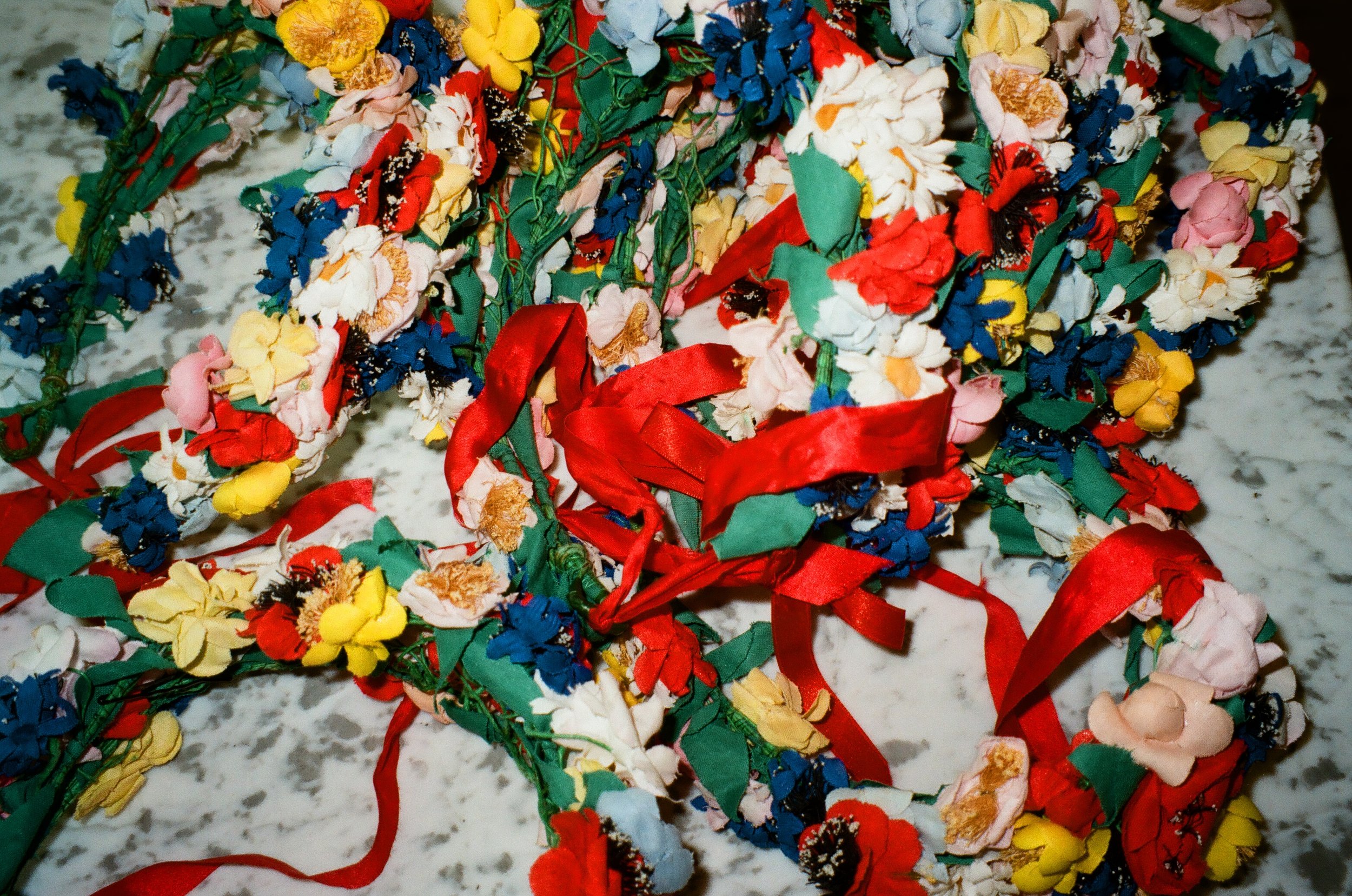
Let our hearts speak
We are taking over HAPAX Living Room in West Brompton this December with an exhibition, the launch of our first open call publication, Let Our Hearts Speak, and a programme of talks, screenings and workshops.
Let Our Hearts Speak brings together 49 artists from our first open call, exploring what Eastern European identity looks and feels like today. Copies will be available at the event, and a slideshow of every artist who submitted to the open call will be shown in the space. Alongside this, the exhibition presents work by eleven REE artists from across the collective.
Join us for the opening on Thursday 3 December, or come along on Saturday 5 December for a full day of events.
Read on for more details.
Thursday 3rd December, 5- 6 PM
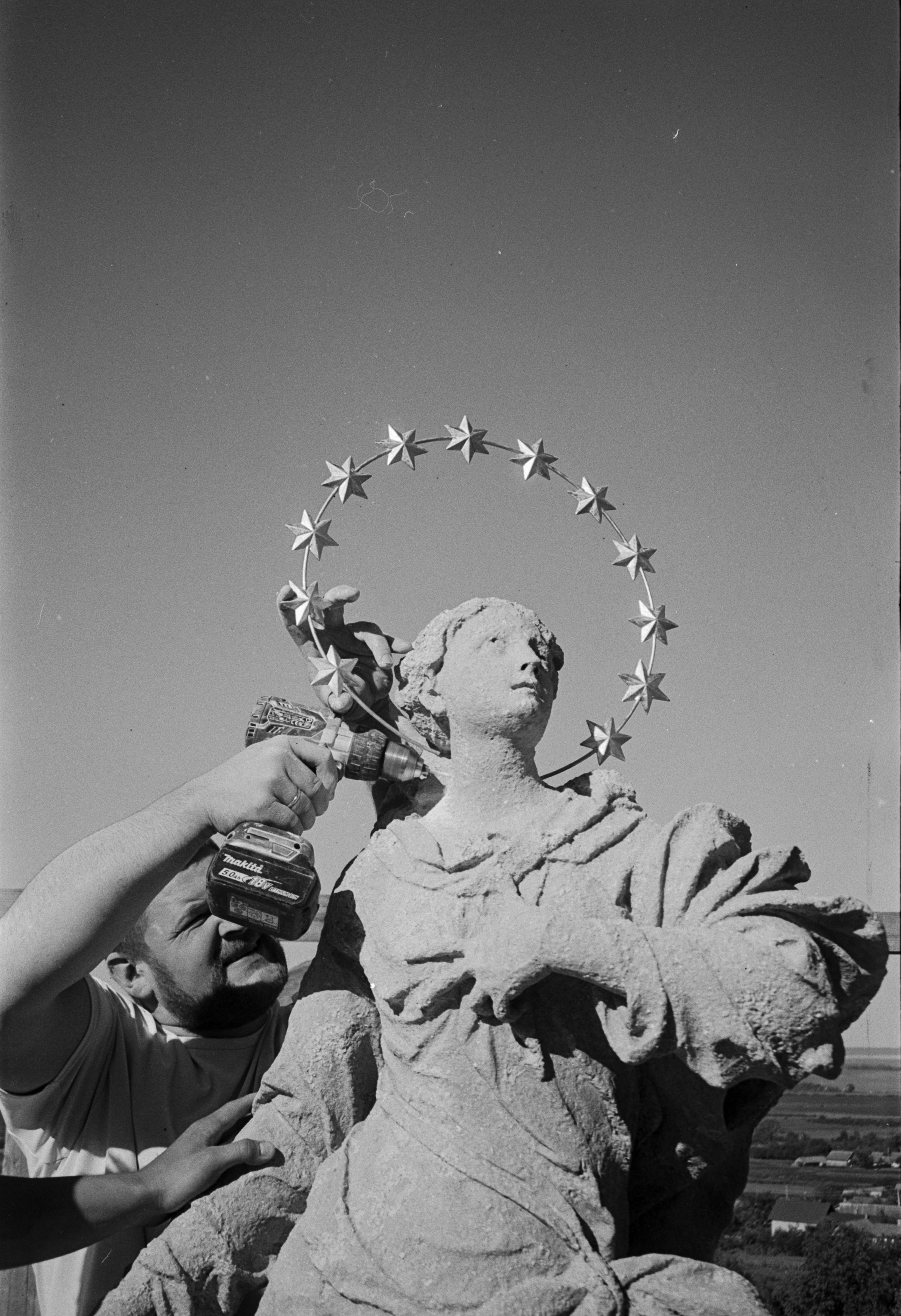
Photograph by Natalia Jastrzebska, Lviv, Ukraine.
Publication launch & artist talk
We are launching our first open-call publication, featuring 49 artists on what Eastern European identity looks and feels like right now.
We have received hundreds of projects, selected 3 winners, and an additional 43 artists’ images have been chosen for our upcoming publication.
Alongside it, we’ll be showing a slideshow of every artist who submitted to the open call, so everyone who took part has a place in the room. Congratulations to all the winners and selected artists, and thank you once again to everyone who entered.
Join us for an artist talk with the artists selected for our Publication Open Call Sofiia Vynnychenko, Susan Carmen, Linka Novak and Zula Rabikowska, founder of Rethinking Eastern Europe.
Don’t forget to get a copy of the publication, for sale at the event.
We would also like to thank our judges for their time, expertise and thoughtful consideration of the submissions:
Diane Smyth @dismy - Editor of the British Journal of Photography and the Photoworks Annual, and lecturer at London College of Communication.
Max Gorbatskyi @maxgorbatskyi - Curator at Open Eye Gallery, co-curator of the Ukrainian National Pavilion at the 60th Venice Biennale, and co-founder of Ukrainian Photographies.
Zula Rabikowska @zula.ra - Artist, curator, writer, lecturer and founder of Rethinking Eastern Europe.
Thursday 3rd December, 6- 9 PM
Exhibition opening
The exhibition brings together work by REE artists looking at what we inherit and where we feel at home. Through family photographs, archives, collage, textile and poetry, the artists explore how loss and family history shape the generations that follow, what mothers and grandmothers hand on to their daughters, and the search for belonging after growing up across countries. Some works look more directly at migration to the UK, while others turn to places shaped by economic change, from an abandoned Soviet-era textile factory in Lithuania to a declining high street in Newport, asking what happens to communities and the people who once worked there. Several images come from projects still in progress and are shown here for the first time.
WITH WORK FROM:
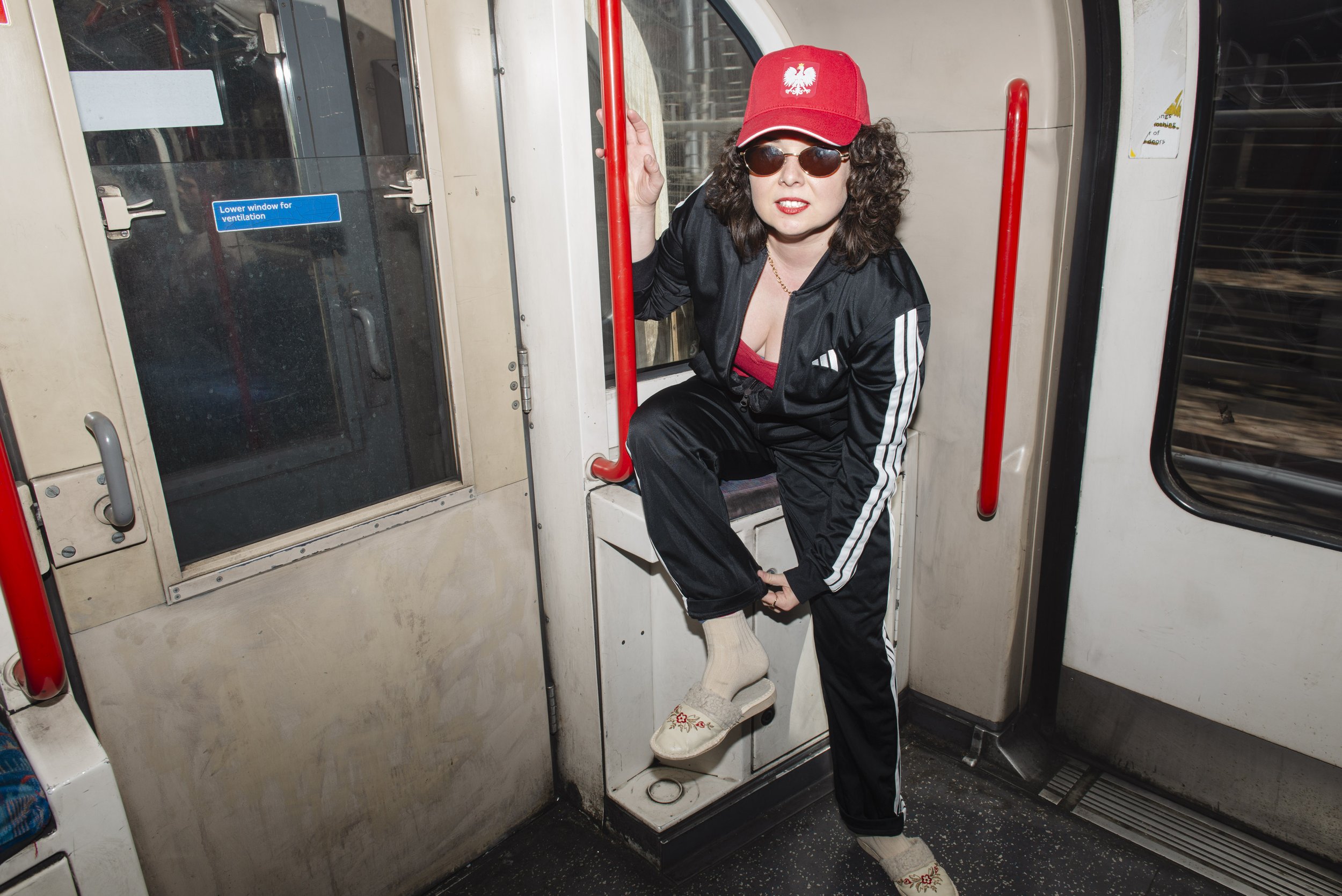
Zula Rabikowska
Polish visual artist and founder of Rethinking Eastern Europe, focusing on themes of migration, Eastern Europe, and the LGBTQI+ communities, drawing inspiration from her Polish heritage and upbringing. Through her photography, Zula aims to amplify voices often overlooked, using an intentional approach to explore the complexity of identity and the power of human connection.
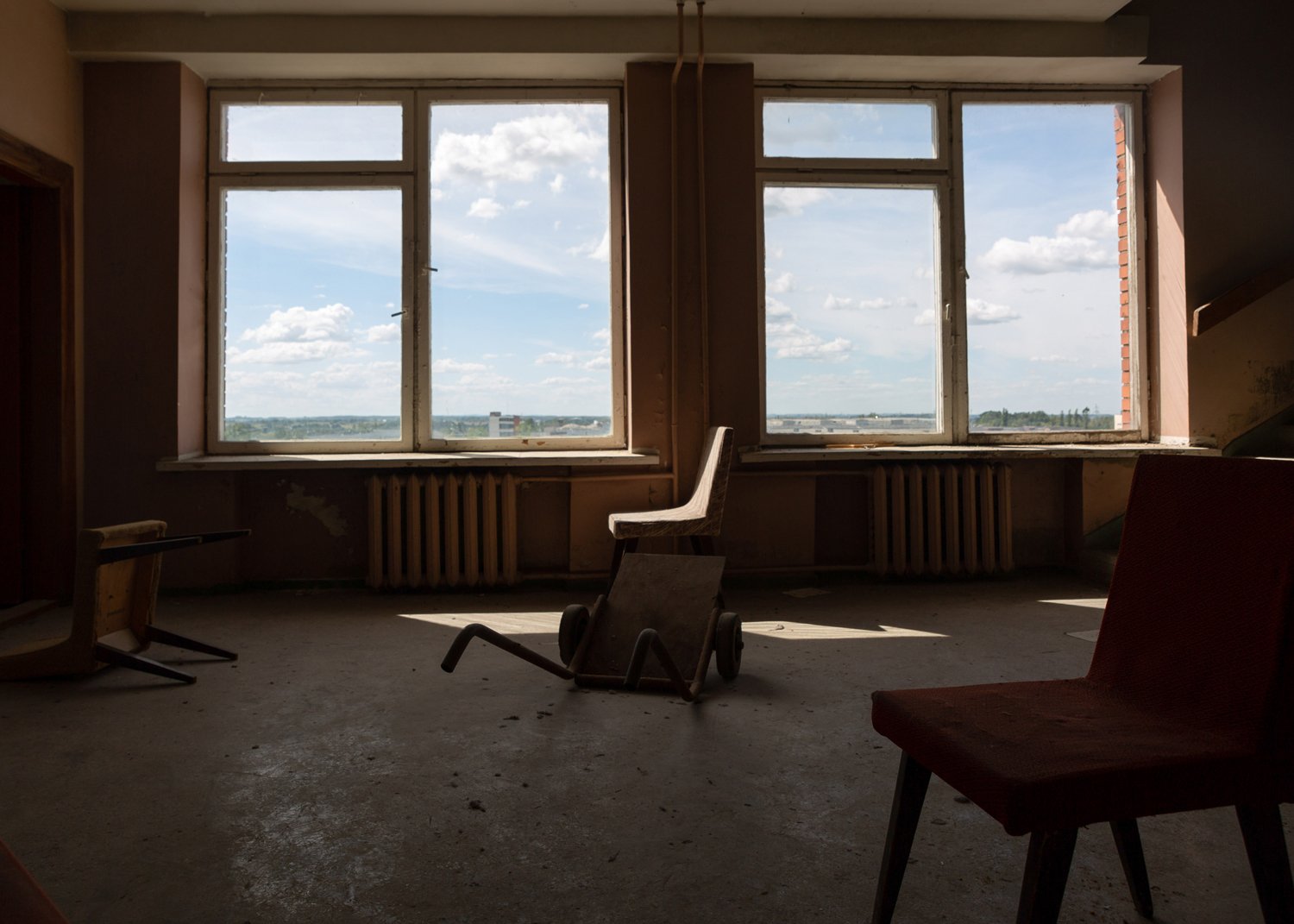
Paulina Korobkiewicz
Polish London-based photographer and visual artist exploring cultural identity, memory, and the transformation of social spaces. Her projects focus on the visual and cultural landscape of her hometown as well as UK, documenting everyday environments with a sense of nostalgia and socio-political commentary, drawing from her own experience of migration.
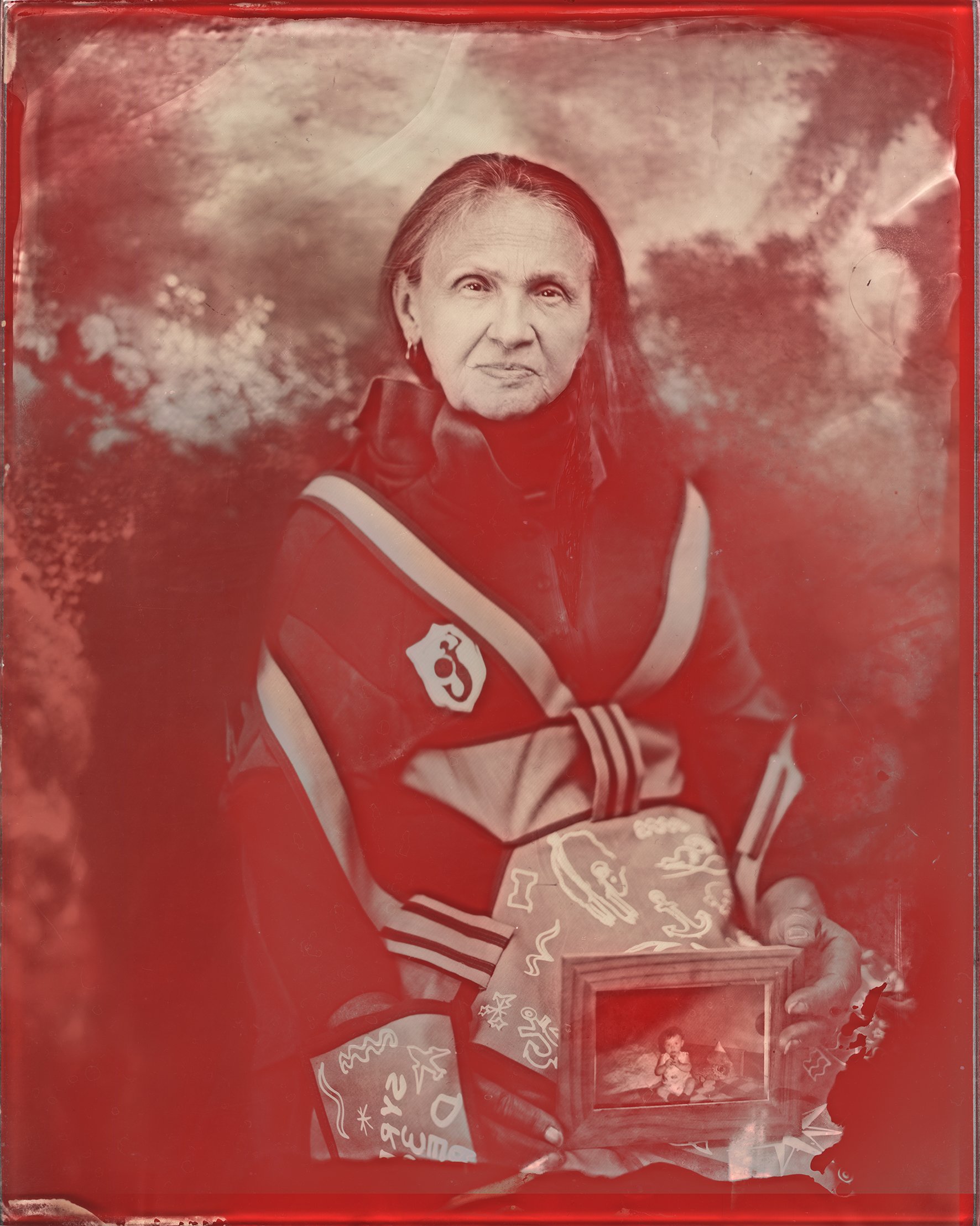
Magda Kuca
Polish visual artist and photographer based in London. She explores the cyclical nature of rituals and traditions through portraiture and visual storytelling. Specialising in historical photographic techniques, such as wet collodion, her work reflects the link between folklore, individual memory and shared ancestry. Her projects draw on personal experience, pagan traditions and Slavic culture.

Diana Serban
Romanian visual artist based in London, working primarily with photography and installation. Her practice explores memory, identity, and constructed realities, investigating the quiet politics of domestic and public space, particularly in pre and post-communist Romania, where objects and material environments become containers of belonging, transformation, and emotional legacy.
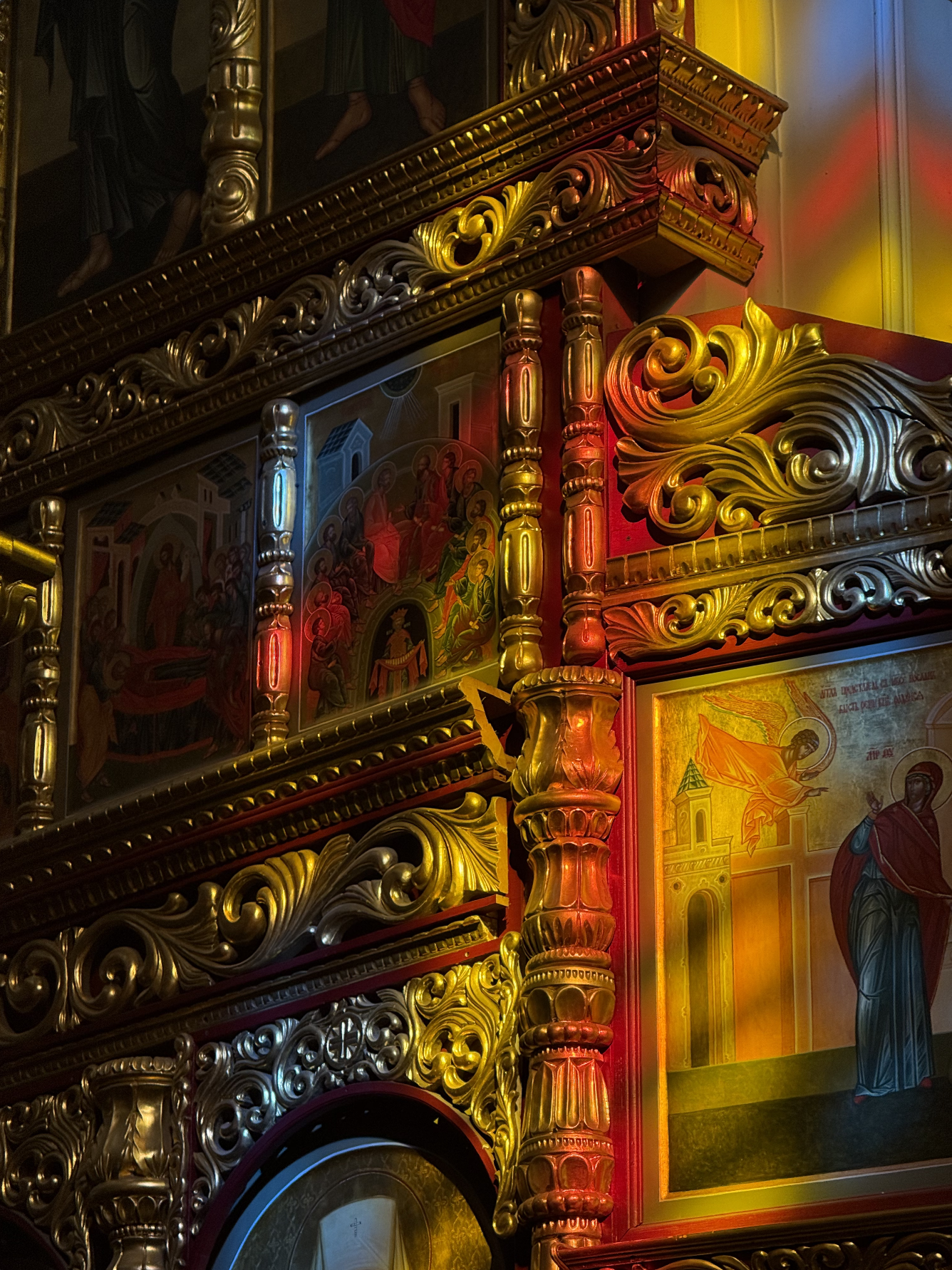
Ksenia Kazintseva
interdisciplinary artist with an interest in textile pattern and folk imagery, exploring migration and loss of home as well as her 'Eastness' and the acceptance of her in part non-Western identity despite growing up in the UK. Her workshops, immersive installations, poetry and paintings create opportunities to reflect and connect with ourselves, each other and nature. Her work is an attempt to return to a sense of home through nostalgia while creating a new one collaboratively with participants.
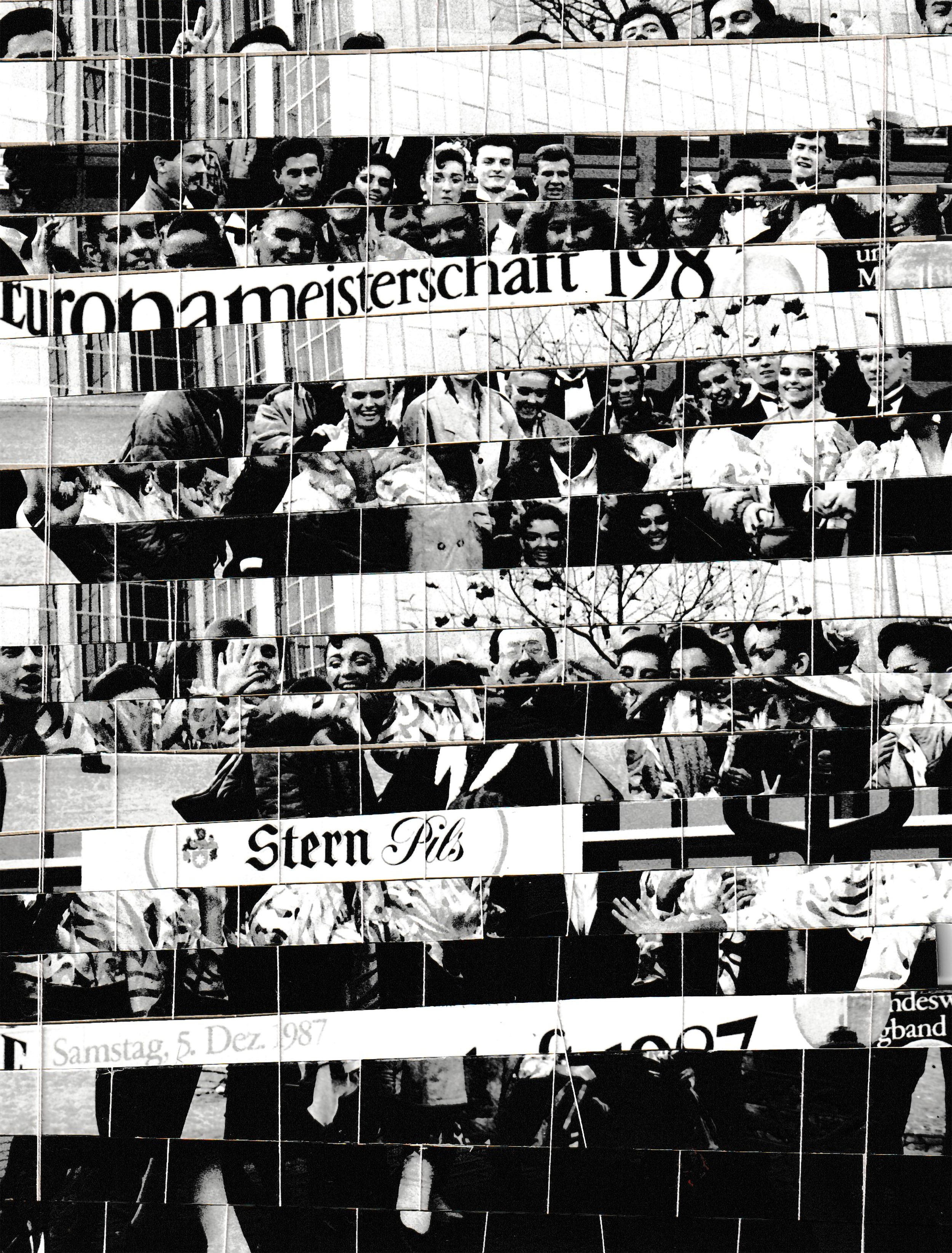
Alexandra Baker
Polish-English multidisciplinary artist based in London. Having grown up between Poland and England, she makes work about home, memory and belonging. Often drawing on the stories women pass down through her family.
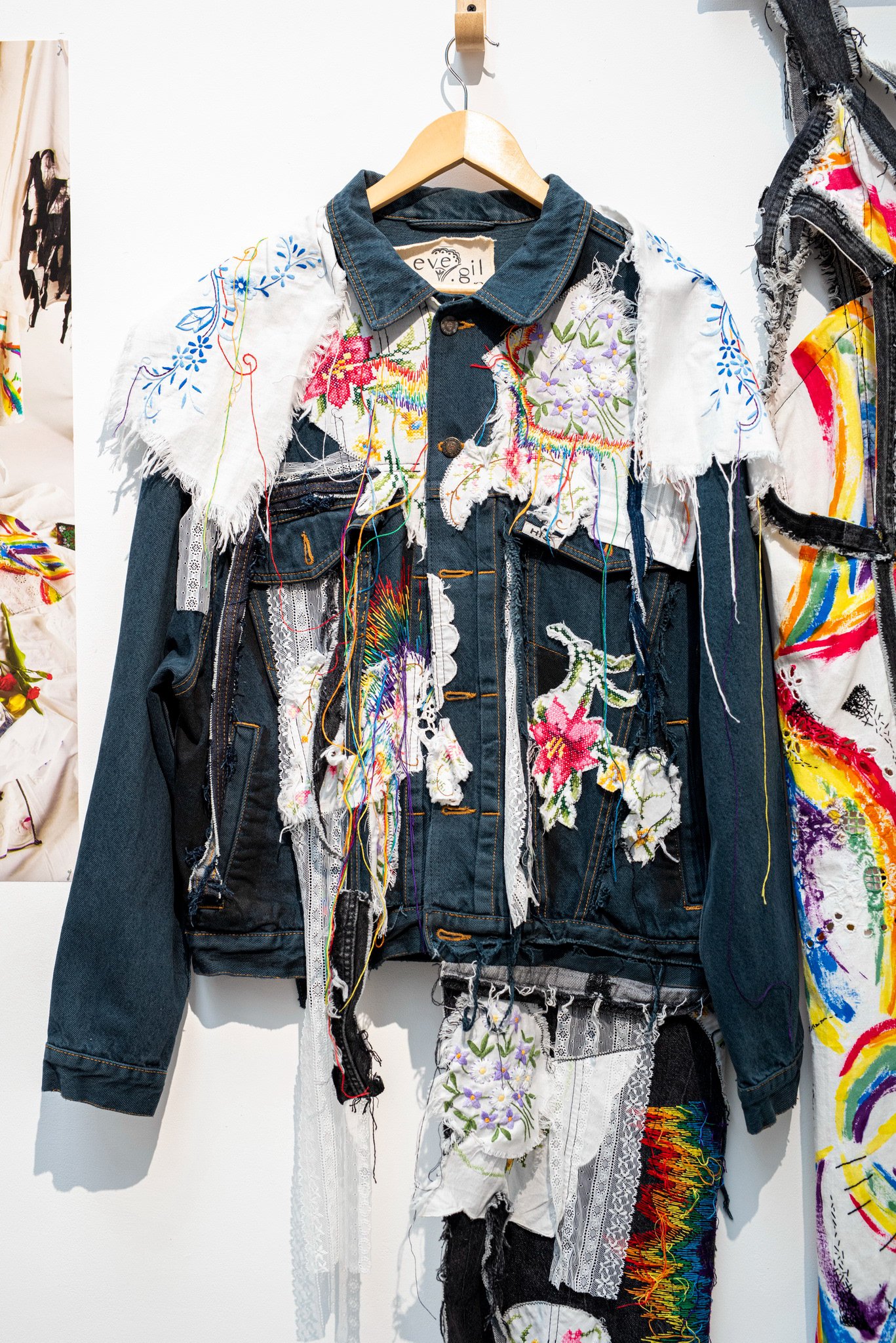
Eve Gil
Polish-Welsh artist and designer, working primarily with fashion and textiles. She creates most of her pieces using upcycled and recycled materials, patchworked, embroidered, and collaged, resulting in a final piece with both a history and a future. She works extensively with embroidery and uses it as an artistic medium and as a fashion technique, between the lines of ‘art’ ‘craft’ and ‘fashion’, creating pieces that live and thrive in that grey.
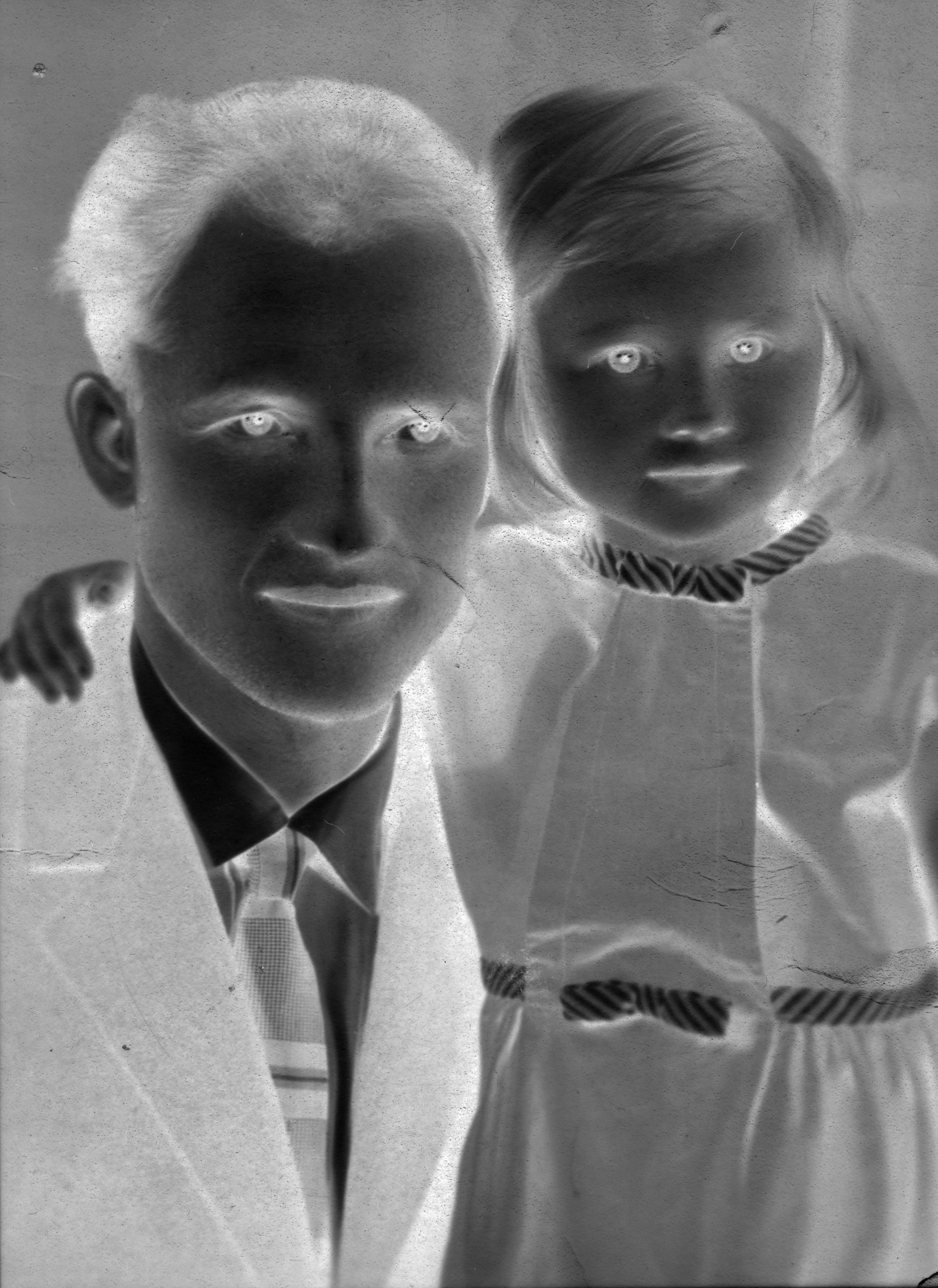
Laura Bivolaru
Londonbased Romanian cultural practitioner in the field of photography, activating between artistic research, writing, curating and education. She works with photographs, text and moving image to explore the tension between nation and individual, and to reveal the impact of time, collective narratives and history on lived experience.
Saturday 5th December, 12-1 PM
REE Community Meet&Greet
Join us for coffee and a chat with the artists to open Saturday’s programme. This is an informal chance to look around the exhibition together, ask about the work and hear more about the projects behind it, with Eve Gil’s weaving workshop running alongside for anyone who wants to get hands-on. Whether you’re part of the Eastern European community in London, a fellow artist, or simply curious about the collective, you’re very welcome. It’s also a good moment to find out more about Rethinking Eastern Europe, our open calls and how to get involved, and to pick up a copy of Let Our Hearts Speak.
Saturday 5th December, 12-3 PM
Collective weaving workshop
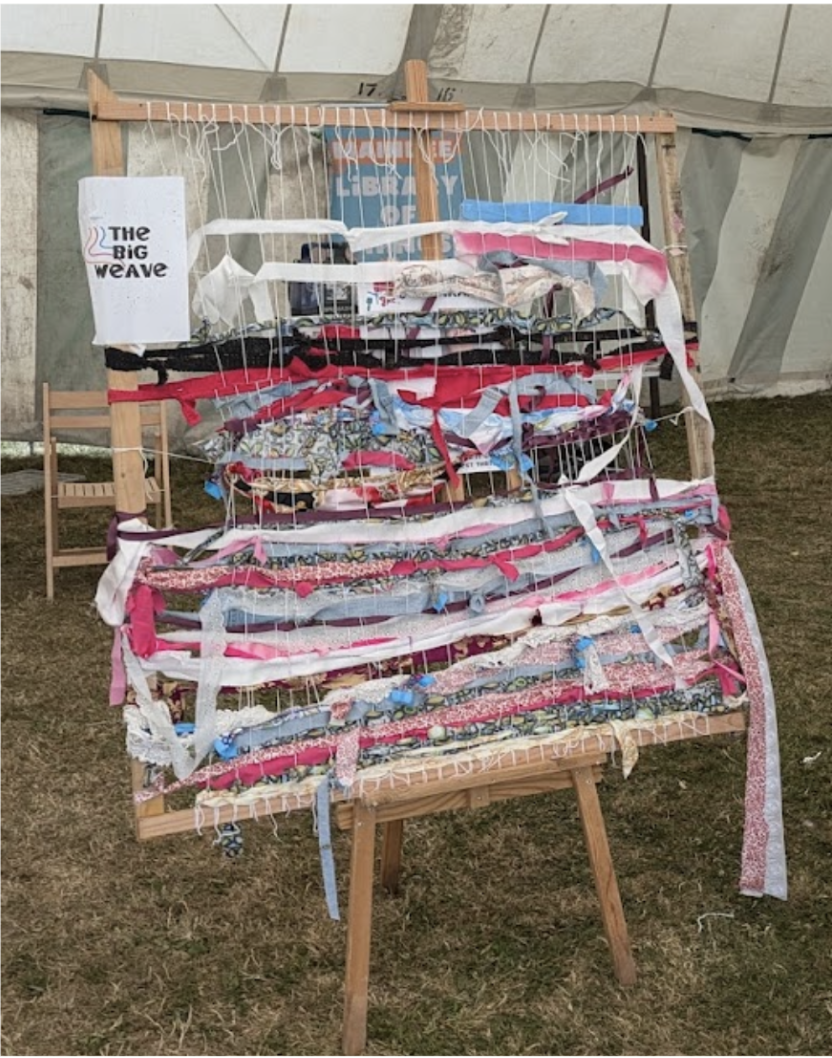
with Eve Gil
A Ribbon, thread, and paper weaving workshop exploring how different cultures cultivate materiality, and how different cultures can be woven together to achieve a beautiful, dynamic whole. We will use small cardboard frames and use textiles and paper to create a small woven piece. The materials and techniques used will be inspired by the textile history of Central and Eastern Europe.
Saturday 5th December, 5-7 PM
Short film screenings & open conversation
An hour of short films by REE artists, drawing on family conversations, autobiography and archival footage, the films look at queer identity, migration, state repression and working life across Poland, Bulgaria, Lithuania and the UK, and at how the past continues to shape the way we live and relate to each other today.
Followed by an open conversation with the artists and audience from 6 PM.
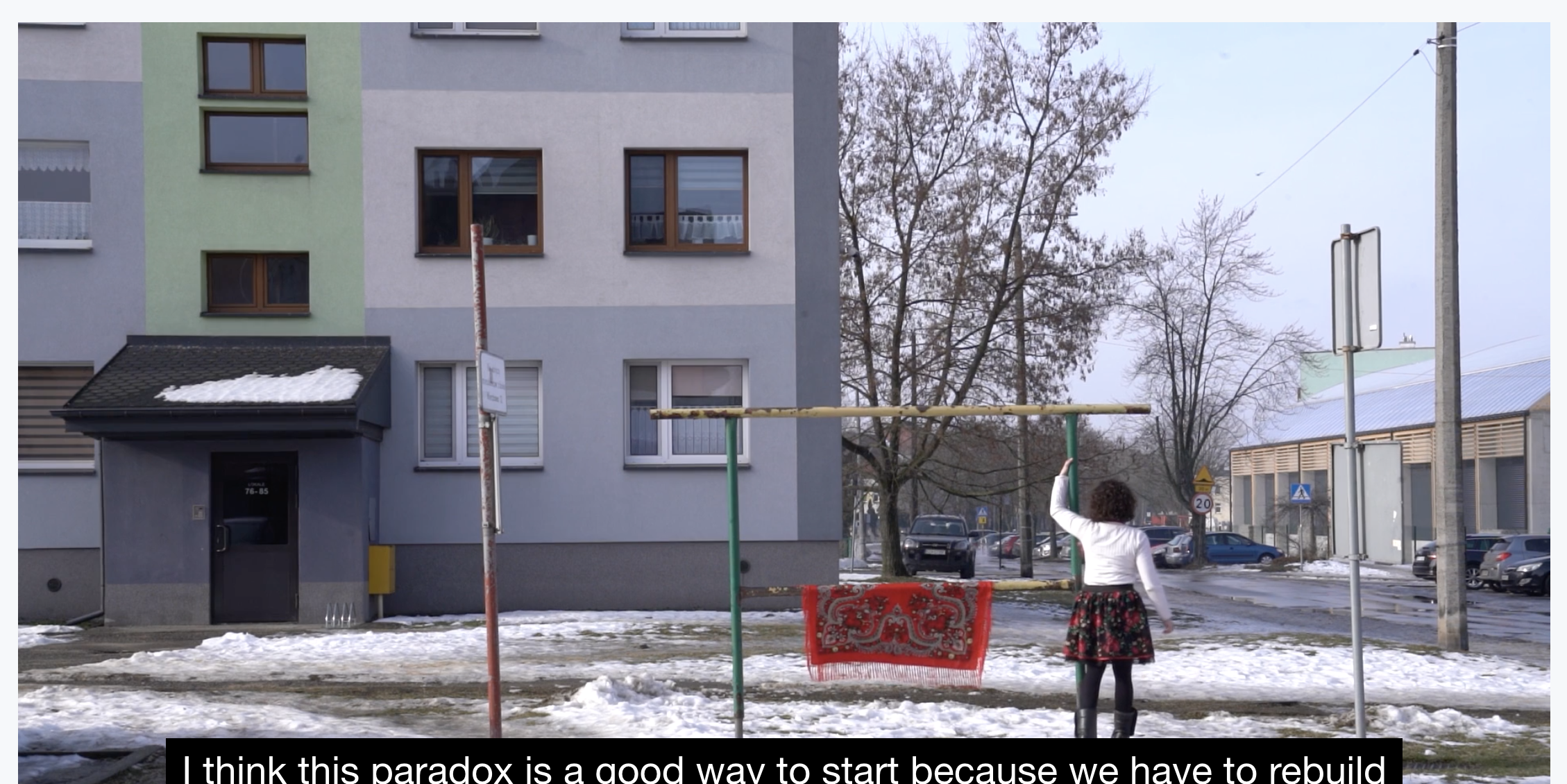
Zula Rabikowska: A Geography of Strangers
Polish visual artist, curator and founder of Rethinking Eastern Europe, whose practice explores migration, identity and belonging, with a focus on Central and Eastern Europe and LGBTQI+ communities. She is a senior lecturer at Kingston University.
An autobiographical film about life after Brexit as a queer Polish immigrant in London. Taking its title from Keir Starmer’s 2025 speech warning that the UK risked becoming “an island of strangers”, the film looks at how right-wing politics is reshaping ideas of nationhood and community in both the UK and Poland, and asks who gets to belong.
2026, 12 min, Polish and English with English subtitles
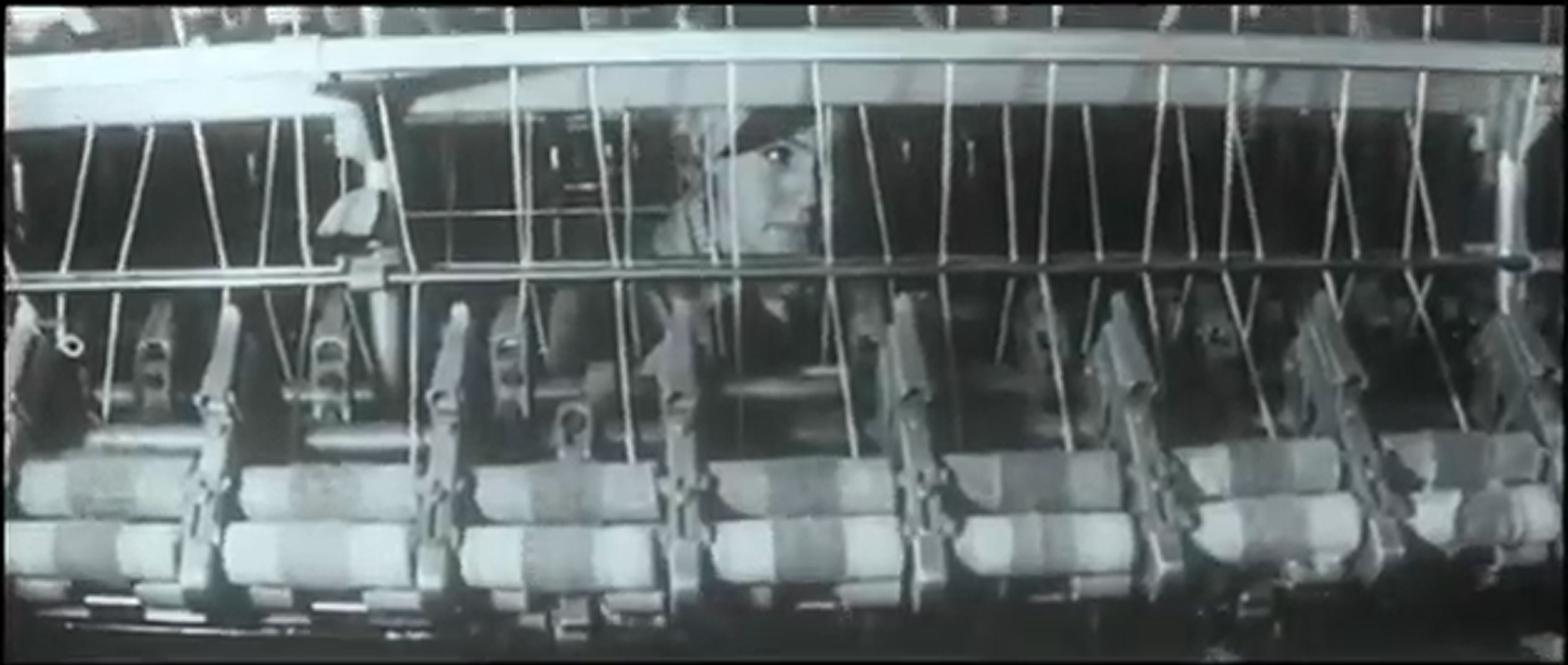
Paulina Korobkiewicz: archival footage of Alytaus medvilnės kombinatas
Polish, London-based photographer and visual artist exploring cultural identity, memory and the transformation of social spaces, drawing on her own experience of migration.
Paulina is showing two short archival films from her research for Udarny trud, a project based on material she found in an abandoned textile factory in Alytus, Lithuania. Founded in 1969 and closed in 2007, the factory was one of the largest in the Baltic States, employing around 6,000 people at its peak. The footage shows the factory in its early years.
1969 and 1974, 2 min in total, no dialogue. Produced by LRT (Lithuanian National Broadcaster) and the Lithuanian Film Studio
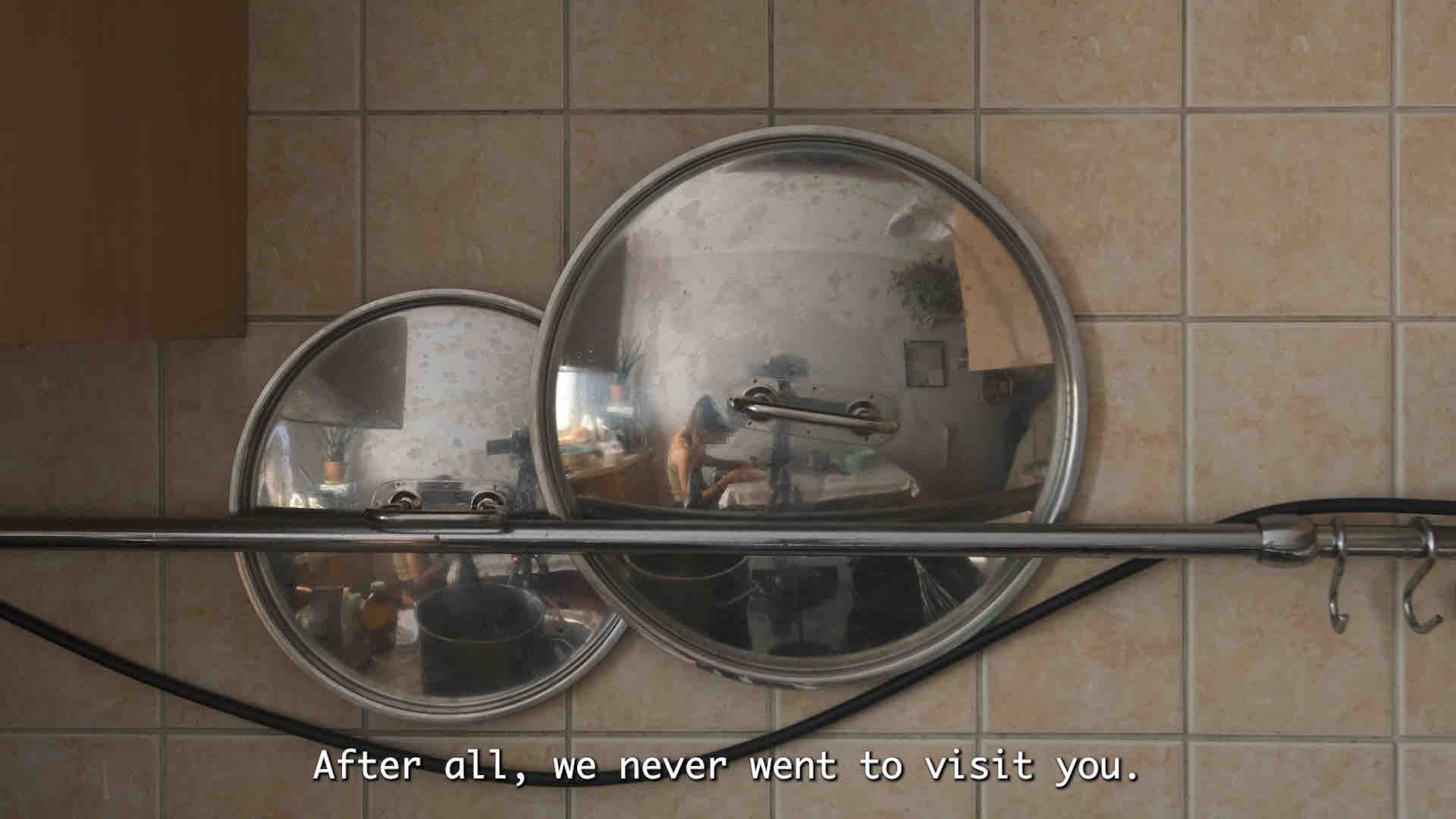
Arti Siudem: I’m home (Jestem w domu)
Polish-born, London-based anthropologist, filmmaker, programmer and cultural worker, and co-founder of KONTEKST, an open platform for ethnographic and experimental film, art and thought. Their practice is largely autoethnographic, using personal experience and relationships as a starting point for wider conversations.
At 19, Arti left home, moved to London and cut off contact with their family. Nine years later, they began making films together with their grandparents to see whether collaborative filmmaking could help people who care for each other, but see the world very differently, talk openly. I’m home is the coming out film that grew out of this process.
2026, 30 min, Polish with English subtitles
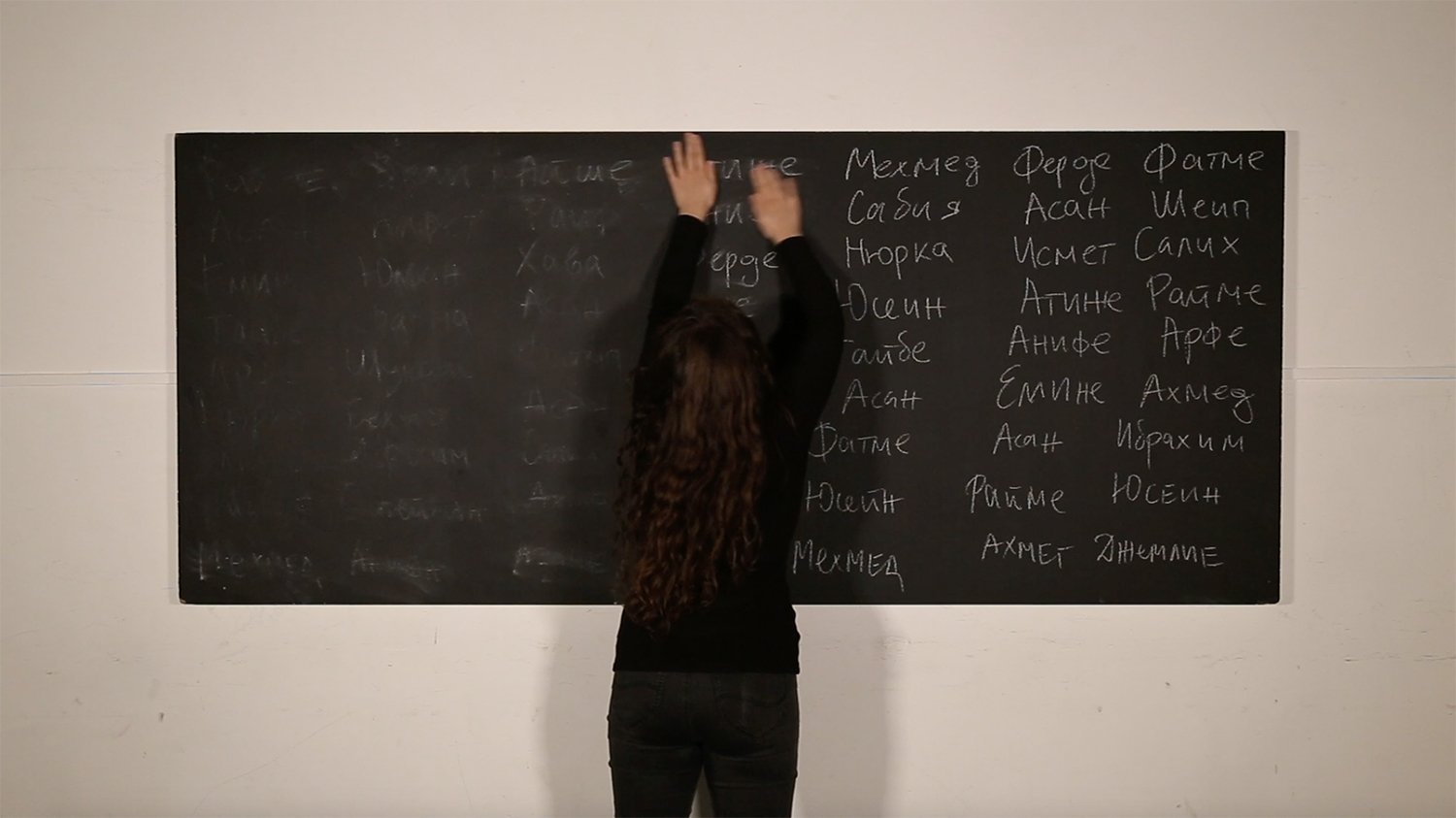
Vera Hadzhiyska: Black Board and The Mosque Garden
Bulgarian multidisciplinary artist, curator and photography lecturer based in Portsmouth. Through photography, archival documents, audio and video, she explores migration, identity and collective memory, and how historical and political events shape people’s lives.
Both films are part of With the Name of a Flower (2017 to 2021), which looks at the forced renaming and repression of Bulgaria’s Muslim population. In Black Board, Vera writes the original Muslim names of her relatives, then erases them by hand and replaces them with the Bulgarian names the state made them take. The Mosque Garden captures a conversation with three elderly men in a mosque garden about the renaming they lived through.
Black Board: 2018, 3 min. The Mosque Garden: 2021, 6 min, Bulgarian with English subtitles

Marcelina Amelia x GRUPA ŁONO: Płaczki
Marcelina Amelia is a multidisciplinary artist born in Częstochowa, Poland, and based in Brighton. Drawing on her Polish heritage, she works across painting, print, textile, photography, installation, video and performance, exploring migration, motherhood, mental health, feminism and personal ritual. Grupa Łono is a feminist art incubator she co-founded with Marta Borkowska, working across visual art and community practice on the body, emotions, and connection to nature. Płaczki (Weepers) takes its name from the women who, in Polish folk tradition, accompanied people through mourning and gave grief a shared, ritual form. In the film, the artists take on this role, creating a ritual for letting go and closing important chapters of life.
7 min